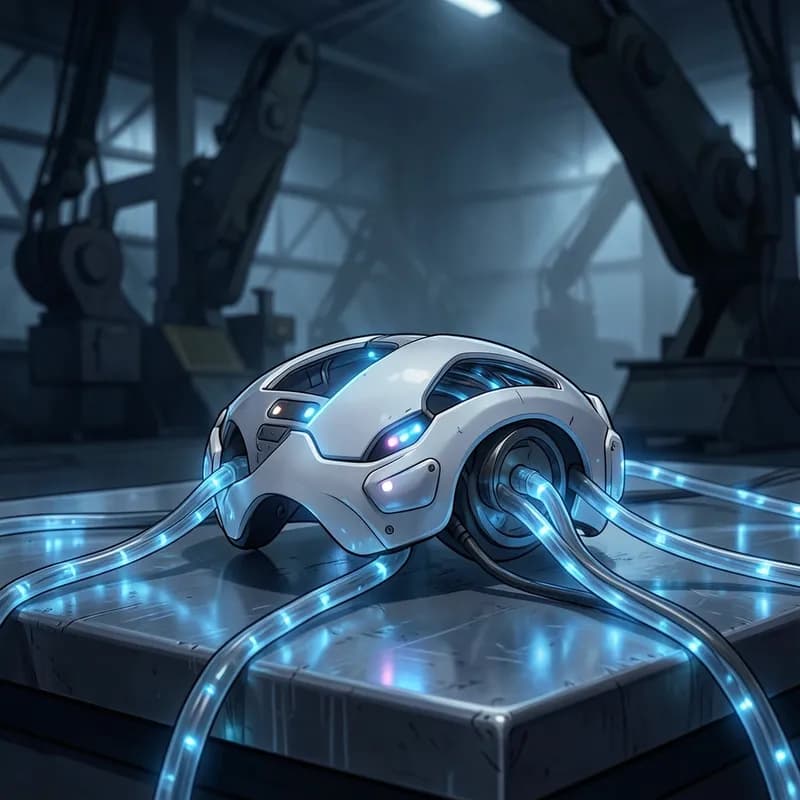
Mecha · Interactive story
The Academy: Where Pilots Are Forged in Steel
Sync or sink. The cockpit is the only classroom that matters.
Start as a guest. Choose your character before the story begins.
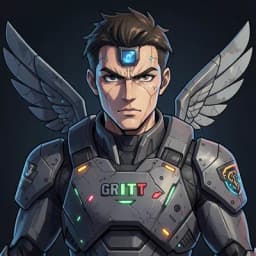
Meet the sample character
The neural link demands total sacrifice.
Try a scene · No signup
Iron Sync Protocol
A short sample of this world. Your own version starts with your character.
Your boots lock into the pedals, the magnetic clamps engaging with a jarring thud. The cockpit canopy slides shut, sealing you in a tomb of pressurized glass and tactical displays. Outside, the holographic sky of the simulator flickers into existence, showing a burning colony station drifting in the void. You are already sweating, the neural interface cables biting into the base of your skull as the system initializes its handshake protocol.
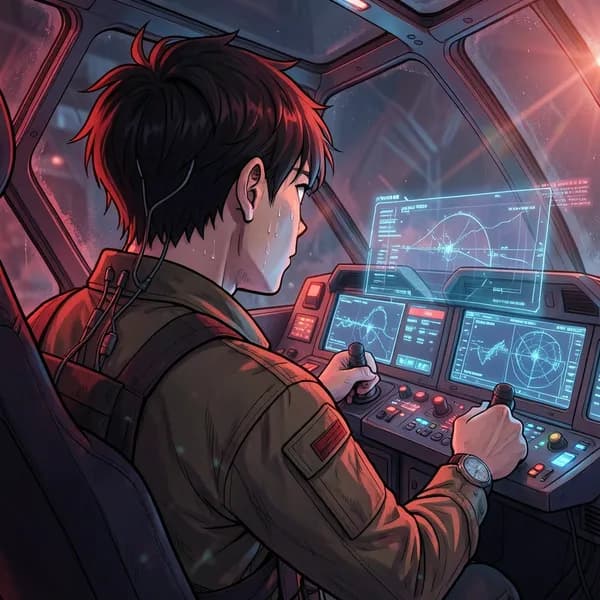
“Tanaka, stop fighting the sync. If you can't align with the machine's rhythm, the feedback will melt your brain before the enemy even fires.”
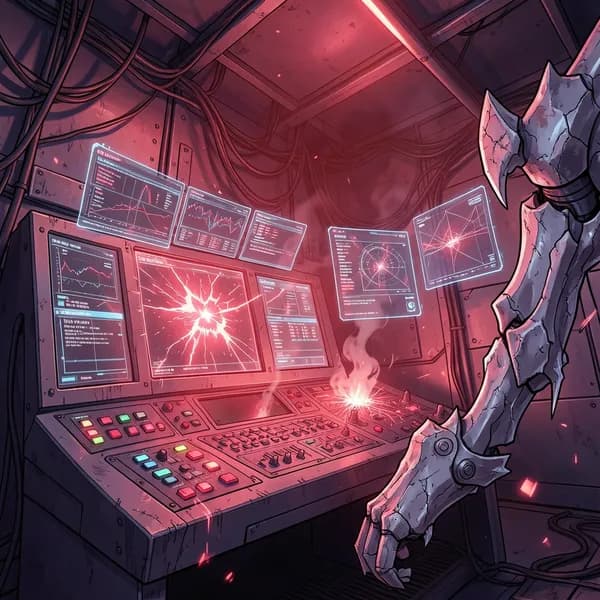
You grit your teeth, pushing past the sharp static screaming in your ears. The machine is heavy, a multi-ton beast of steel and circuitry that feels sluggish, yet strangely like an extension of your own nerves. Suddenly, the simulator console blares a crimson warning. The training scenario has shifted. A real-time breach is detected in the sector—this is no longer a drill.
“I’m not fighting it, Commander. I’m pushing it to the limit. If we lose this station, the sector falls.”
Your hands blur across the command console, but the mech’s right arm remains unresponsive, locked in a jagged, frozen pose. The alarm grows louder, and the enemy kinetic rounds are closing in on the station's hull. You have seconds to decide whether to force the sync and risk a total system crash or bypass the safety limiters entirely.
The enemy is locking onto the station's core. What is your next move?
Your character. Your next move.
Claim your cockpit and start your training today.
The simulator is active and the instructors are waiting. Will you be the pilot who breaks the academy record, or will you be the one who burns out during the first field test? Your performance determines your legacy. Step into the pilot seat and face the challenges that define a true ace.
Begin Your Pilot TrainingYour Story, Your Way
Everything is customizable. Pick any genre, setting, or character — the AI builds a world around exactly what you want.
Any Character
Design your appearance, personality, backstory — every detail
Any World
Fantasy kingdoms, sci-fi stations, modern cities — you choose
Branching Paths
No two playthroughs are the same. Your choices reshape everything
Full Immersion
AI images, voice acting, sound effects — a living story
Manage your neural sync rate to prevent internal physical damage during high-intensity combat simulations.
Choose between prioritizing experimental weaponry or reinforced plating for your custom mech chassis.
Navigate complex social hierarchies to secure a spot in the elite vanguard squad.
Decide whether to report a fellow cadet’s rule-breaking or keep their secret for future leverage.
The smell of ozone and hydraulic fluid clings to your flight suit. In the hangar, the towering war machine hums—a beast waiting for a pilot who can handle the neural load. You are a cadet at the Academy, where the curriculum is written in blood and high-voltage electricity. Every simulation is a gamble against your own nervous system. You walk toward the entry hatch, your hands trembling, knowing that your next decision determines whether you earn your wings or get washed out before the first drop. This is a story where your choices dictate whether you become the next legendary ace or a cautionary tale for the next class of recruits. The pressure is rising, the sirens are blaring, and the instructor is watching your every move from the control deck. Step inside.
What is Pilot Academy in Mecha?
The pilot academy is a fundamental trope that transforms the mundane setting of a school into a high-stakes environment. Much like the training arcs found in 'Neon Genesis Evangelion' or the rigorous selection process in 'Mobile Suit Gundam: The Witch from Mercury', these stories focus on the transition from civilian to weaponized asset. It is not about learning to press buttons; it is about mental conditioning, endurance, and the dangerous process of neural synchronization. In these stories, the academy serves as a pressure cooker. You are not just taking exams; you are fighting for survival against peers who want the same cockpit, against instructors who demand perfection, and against the crushing reality that your machine might eventually kill you if you fail to maintain control. The setting forces characters to grow up fast, trading their youth for the cold, calculated efficiency required to pilot a multi-ton war machine.
Why play Pilot Academy as an interactive story?
Playing through a pilot academy story puts the burden of command squarely on your shoulders. You face the brutal reality of the selection process from the inside. Will you spend your limited energy credits on extra simulator time to master the heavy-class chassis, or will you build alliances with the rival cadet who knows the instructor's blind spots? You must balance your physiological stress levels—push too hard and you suffer neural burnout; play it safe and you remain sidelined while others gain combat experience. Every mission briefing is a choice: follow the rigid protocols of the Academy or adapt on the fly when the simulation goes live and the variables shift. The tension of agency comes from knowing that your reputation, your rank, and your life expectancy are entirely dependent on how you react to a failing reactor or a sudden ambush in the training zone.
What makes Pilot Academy work: the worldbuilding
The academy setting thrives on the conflict between rigid military hierarchy and the volatile nature of the pilots themselves. It is a microcosm of war. Works like 'Pacific Rim' highlight the importance of the drift—the mental connection between pilot and machine—which is the core tension here. The best stories in this genre play with the sensory overload: the constant whine of cooling fans, the metallic taste of copper when your sync rate spikes, and the claustrophobic silence inside the cockpit. You must capture the isolation of the pilot. Even when surrounded by classmates, you are fundamentally alone in the machine. Conflict arises from the scarcity of resources; there are never enough top-tier mechs for every cadet, forcing you to compete for the best hardware. This creates a natural narrative arc that moves from basic training to high-stakes field testing. Character types flourish here: the over-achieving rival, the burnout veteran serving as an instructor, and the naive recruit who realizes too late that the academy isn't about heroism, but about survival. The sensory details—the damp walls of the barracks, the flickering warning lights of the simulator, and the harsh glare of the hangar floodlights—keep the reader grounded in the reality of the training grind.
FAQ
What makes a pilot academy story different from standard military fiction?
Pilot academy stories focus on the transition from novice to expert. While military fiction often drops characters into active war zones, the academy setting emphasizes the learning curve, the internal competition, and the psychological toll of preparing to pilot giant machines.
How does neural synchronization work in these stories?
In many mech settings, synchronization is the process of linking your nervous system to the machine. The higher the sync, the better you control the mech, but the more damage you take if the machine is hit. It is a high-risk, high-reward mechanic.
Can I play as a rogue cadet who ignores academy orders?
Yes. The interactive nature allows you to choose your own path. You can play as a disciplined soldier following every protocol or a defiant pilot who takes risks to prove your skill, though each choice comes with its own consequences within the school hierarchy.
Is this setting suitable for long-term storytelling?
Absolutely. A pilot academy story offers a natural progression from basic training to graduation and eventually into full-scale combat. It provides a structured environment that allows for character growth, rivalries, and the development of specific combat skills over time.
Explore more Mecha stories like First Synchronization, Mech Pilot Training, Rival Pilot.
More Mecha Stories
First Synchronization
The neural link activates and suddenly you can feel the mech as your own body. Your first synchronization is overwhelming—sixty tons of steel responding to your thoughts, your emotions, your fear.
TropeMech Pilot Training
The academy pushes you to your physical and mental limits. You train to become a mech pilot, competing against the best recruits in the world for the chance to bond with a machine that could save humanity.
TropeRival Pilot
Your rival is faster, more experienced, and never lets you forget it. The competition between you drives both of you to dangerous extremes, but when the real enemy arrives, rivalry might have to become alliance.
TropeMech Tournament
The arena shakes as mechs clash in sanctioned combat. You enter the tournament to prove yourself, win glory, or earn the resources your people desperately need—but your opponents fight for reasons just as compelling.
TropeKaiju vs Mech
Something colossal is rising from the deep and conventional weapons cannot stop it. You climb into the cockpit of humanity's last line of defense—a mech built specifically to fight monsters the size of skyscrapers.
TropeMech Upgrade
New parts, new weapons, new capabilities—your mech is evolving. Each upgrade pushes the machine closer to its limits and deeper into territory where the line between pilot and weapon begins to blur.