
Military / War · Interactive story
Command the Deck: The Aircraft Carrier Experience
Five thousand souls, one flight deck, and the weight of the ocean on your shoulders.
Start as a guest. Choose your character before the story begins.
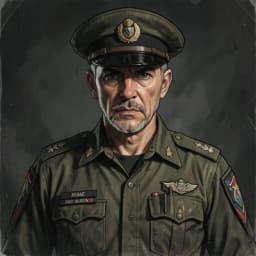
Meet the sample character
The North Atlantic is no place for hesitation.
Try a scene · No signup
Steel Horizon
A short sample of this world. Your own version starts with your character.
The salt spray clings to your flight suit as the steam catapult fires, sending another F-35 screaming into the overcast sky. You stand on the flight deck, your boots vibrating against the steel, teeth gritted against the roar of the jet wash. The Vengeance is a gargantuan beast, a floating city of gray metal churning through the North Atlantic, and you are the one holding the leash.

“Commander, my wingman is reporting a massive thermal spike on the horizon. Do I engage or maintain Combat Air Patrol?”

The deck crew scrambles around you, a blur of colored jerseys performing a lethal, synchronized dance. Your ears ring from the constant thump of the arrestor cables. Every second spent in hesitation is a second where the enemy closes the gap, turning your carrier from a strategic asset into a multi-billion dollar tomb.
“Hold your position, Echo. I need to confirm the signature before we turn this into an international incident.”
The radar array flickers, then dies. A sharp, rhythmic vibration travels through your boots—the hull is being pinged by high-frequency sonar that shouldn't be here. You are sitting on a powder keg, and the fuse has just been lit. You have seconds to decide how to react before the unseen threat confirms your exact position.
The ship is blinded and the sonar indicates a hostile submarine is closing in. How do you respond?
Your character. Your next move.
Take the bridge and command the fleet.
The radar is pinging, the flight deck is ready, and your crew is waiting for your next order. Will you bring them home, or is this your final patrol? Take command now and decide the fate of your carrier.
Start Your CommandYour Story, Your Way
Everything is customizable. Pick any genre, setting, or character — the AI builds a world around exactly what you want.
Any Character
Design your appearance, personality, backstory — every detail
Any World
Fantasy kingdoms, sci-fi stations, modern cities — you choose
Branching Paths
No two playthroughs are the same. Your choices reshape everything
Full Immersion
AI images, voice acting, sound effects — a living story
Manage the flight deck tempo during high-intensity combat operations and emergency landing scenarios.
Direct tactical strikes against surface threats while maintaining defensive air patrols over the fleet.
Handle internal crew friction when supplies run low and mission parameters shift unexpectedly.
Coordinate with submarine escorts to track and neutralize invisible threats lurking beneath the waves.
The flight deck is a cacophony of jet fuel, screaming afterburners, and the rhythmic thud of arresting wires. You stand on the bridge, the smell of salt spray mixing with the sharp scent of ozone. A bogey has appeared on the radar—fast, low, and closing in on your strike group. You have seconds to decide: scramble the alert fighters or trust the automated point-defense systems. Your next command dictates whether this vessel remains the pride of the fleet or becomes a graveyard of steel in the deep. Every decision ripples through the ship, from the engine room to the pilots waiting in the ready room. In this interactive story, your tactical choices determine the survival of your crew and the success of the mission.
What is Aircraft Carrier in Military / War?
An aircraft carrier is a floating city, a sovereign piece of territory projecting national power across the globe. Unlike other naval vessels, the carrier relies on its air wing to extend its reach hundreds of miles beyond the horizon. It is a complex ecosystem of logistics, engineering, and tactical coordination. In works like the classic naval drama 'The Bridges at Toko-Ri' or the tense, documentary-style PBS series 'Carrier,' the ship is a pressure cooker where pilots and deck crews operate in a high-risk environment. The carrier’s survival depends on the synchronization of its escort destroyers, the readiness of its flight deck, and the decisive nature of its commanding officer. You are not just managing hardware; you are managing the lives of thousands who rely on your judgment. Understanding this setting requires acknowledging that the ship is never truly at peace; it exists in a constant state of preparation for the next launch, the next recovery, or the next defensive engagement.
Why play Aircraft Carrier as an interactive story?
Playing through an aircraft carrier setting forces you to confront the moral weight of leadership. When the radar warns of an incoming cruise missile, do you prioritize the safety of your pilots currently in the air, or do you focus on the defensive posture of the ship? You will manage the morale of your crew, the fuel reserves for the air wing, and the delicate diplomacy of operating in disputed waters. The agency you possess turns the carrier into a theater of shifting loyalties and life-or-death logistics. Every choice feels heavy because the ship is a closed system; there is no retreat, and every mistake has an immediate, documented cost. You are the architect of your own tactical success or failure, balancing the needs of the mission against the lives of the people who serve under your command.
What makes Aircraft Carrier work: the worldbuilding
The carrier setting generates conflict through isolation and finite resources. You are thousands of miles from support, meaning your decisions are final. The environment is inherently sensory: the vibration of the hull during catapult launches, the constant glow of radar consoles, and the tension of silence in the bridge during a stealth patrol. Real-world depictions like the film 'Midway' showcase how a single tactical shift—a decision to launch at the right moment—can rewrite history. To master this setting, focus on the interconnectedness of roles. A failure in the radar room leads to a missed interception, which leads to a direct hit on the deck, which leads to a catastrophic fire. The narrative thrives on this chain-reaction logic. Character archetypes flourish here: the weary veteran pilot, the over-cautious radar technician, and the ambitious junior officer looking to prove their worth. When writing for this setting, ground the drama in the technical reality of the ship. Every piece of equipment is a character in its own right, and the ship itself is the primary antagonist when it malfunctions under pressure.
FAQ
What makes carrier stories different from other war settings?
Carrier stories focus on the isolation of the open ocean and the extreme technical interdependence of the crew. Unlike land-based war stories, you cannot easily retreat or call for immediate reinforcements, making every tactical decision feel final and high-stakes.
Can I focus on the pilot side of the war?
Yes. You can choose to follow the perspectives of the pilots in the ready room, experiencing the flight deck from the cockpit, or you can command the ship from the bridge. The choice determines which tactical challenges you face.
How do my choices impact the crew?
Choices affect morale, resource levels, and ship integrity. Poor decisions might lead to pilot exhaustion, equipment failure, or reduced combat readiness, all of which change how subsequent encounters play out.
Is this suitable for fans of historical naval strategy?
Absolutely. The setting relies heavily on realistic naval tactics, logistics, and the historical pressures associated with carrier operations, making it a natural fit for those who enjoy historical and strategic military fiction.
Explore more Military / War stories like Band of Brothers, Behind Enemy Lines, Impossible Mission.
More Military / War Stories
Band of Brothers
Forge unbreakable bonds with your squad as you fight through impossible odds together. Every mission tests your loyalty and every loss hits like family in this military interactive story.
TropeBehind Enemy Lines
You're stranded deep in hostile territory with no extraction in sight. Evade patrols, scavenge supplies, and make impossible choices as you fight your way back to friendly lines.
TropeImpossible Mission
The odds are suicidal and command knows it. Accept a mission that no one expects you to survive and find a way to beat the impossible through grit and cunning.
TropeWar Hero
One act of extraordinary courage changes everything. Bear the weight of a hero's reputation while knowing the truth of what happened on that battlefield.
TropeFriendly Fire
A devastating mistake kills your own. Grapple with guilt, cover-ups, and the impossible question of accountability when the fog of war turns ally against ally.
TropePOW Escape
You're a prisoner of war, and escape is your only hope. Plan your breakout, recruit allies among fellow prisoners, and risk everything for freedom in this tense military thriller.