K-Drama · Interactive story
Two Minutes to Midnight: Your Seoul Subway Encounter
The doors are closing, the platform is crowded, and your heart is pounding.
Start as a guest. Choose your character before the story begins.

Meet the sample character
Two minutes is all you have left.
Try a scene · No signup
The 11:42 to Incheon
A short sample of this world. Your own version starts with your character.
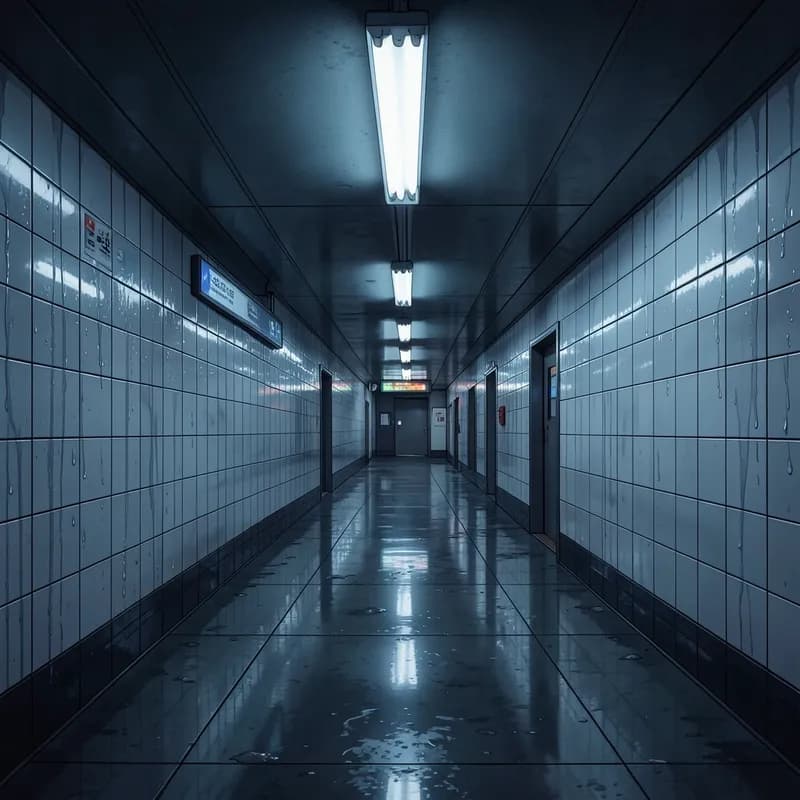
The platform is hauntingly empty, save for the two of you. Steam rises from the subway tracks as the express train’s headlights cut through the gloom like a scalpel. You clutch your umbrella, your knuckles white, watching Min-ah pull her suitcase handle tight. She hasn't looked at you since you reached the turnstiles.
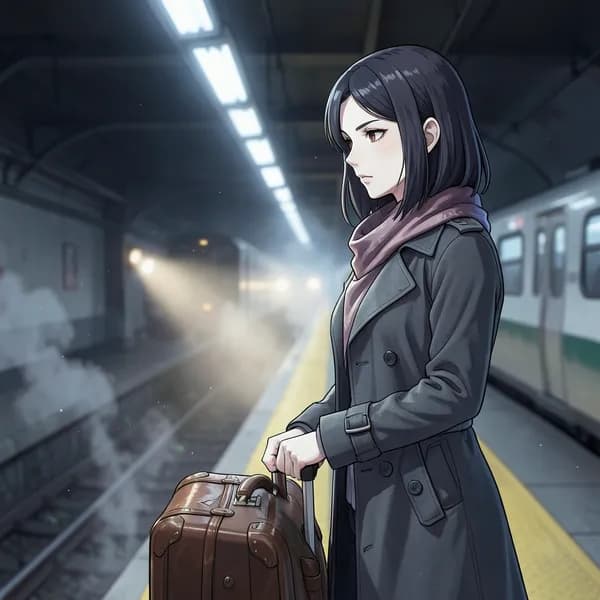
“If you don't say it now, Ji-hoon, you never will. You’ve spent three years waiting for the perfect timing, but the train doesn't care about our schedules.”
Your heart hammers against your ribs, a frantic rhythm that matches the approaching rumble of the steel beast. You look at her—really look at her—and the weight of every unspoken word threatens to crush you. The platform floor vibrates, a low, ominous tremor that signals you are running out of time.
“I was waiting for the right moment, but I realize now that waiting is just another way to lose you.”
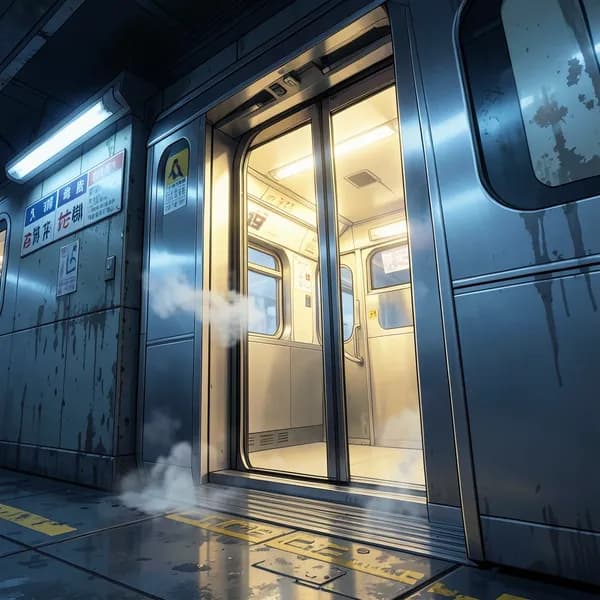
The train screeches to a halt, the doors sliding open with a hiss that sounds like a final goodbye. A few tired commuters stumble off, but the platform remains eerily still. Min-ah takes a single step toward the open car, her eyes searching yours one last time, waiting to see if you will reach out or let the doors close between you forever.
The doors are beginning to chime. How do you stop her?
Your character. Your next move.
The train is arriving. Will you speak?
The platform is cold, the crowd is pushing, and your chance to tell them how you really feel is slipping away. Don't let the doors close on your chance at a happy ending. Start your K-drama subway story now and see where your choices lead.
Start Your Subway StoryYour Story, Your Way
Everything is customizable. Pick any genre, setting, or character — the AI builds a world around exactly what you want.
Any Character
Design your appearance, personality, backstory — every detail
Any World
Fantasy kingdoms, sci-fi stations, modern cities — you choose
Branching Paths
No two playthroughs are the same. Your choices reshape everything
Full Immersion
AI images, voice acting, sound effects — a living story
Decide whether to speak your truth before the train doors slide shut.
Choose to board the train alongside them or watch them disappear from sight.
Navigate the social awkwardness of a public confession in a crowded Seoul station.
The fluorescent lights overhead flicker, casting a sterile glow over the concrete platform. A digital sign overhead ticks down: 120 seconds until the last train of the night arrives. Beside you, Min-seo stands with her back turned, her knuckles white as she grips the strap of her bag. You have spent months hiding your feelings behind polite bows and shared coffees, but the silence between you tonight is deafening. Every choice you make in the next two minutes determines whether you remain strangers or finally bridge the gap before the doors slide shut. The screech of metal against tracks vibrates through the floor, signaling that time is running out. This is your chance to change the trajectory of your life, but the platform is public, crowded, and unforgiving. Will you pull her back from the yellow line, or will you let the train carry her away into the night?
What is Subway Platform in K-Drama?
In the language of Korean drama, the subway platform is more than just a transit point; it is a pressurized chamber for emotional revelation. It functions as a liminal space where the rules of polite society begin to fray. Because the arrival of a train provides a hard deadline, it forces characters into moments of vulnerability they would otherwise avoid. We see this trope masterfully utilized in shows like 'My Love from the Star' or 'Weightlifting Fairy Kim Bok-joo,' where the platform serves as the stage for final confessions, accidental collisions, and the realization that a partner is about to disappear from one's life. The setting relies on the inherent tension of a public space where intimacy is suddenly possible, yet constantly threatened by the arrival of the next carriage. It is the setting for the 'almost' kiss, the desperate plea, and the realization that life, like the subway, keeps moving whether you are ready or not.
Why play Subway Platform as an interactive story?
Playing through a subway platform scenario puts the pressure of the clock directly in your hands. You are not just watching a protagonist hesitate; you are the one deciding if the risk of public embarrassment is worth the reward of a confession. The agency comes from the scarcity of time. You must weigh whether to prioritize your pride or your heart before the chime sounds. You might choose to shout a secret over the roar of the incoming train, grab a sleeve to keep them from boarding, or turn away to maintain your composure, each choice triggering a different emotional outcome. The interactive nature means you control the intensity of the scene, deciding if the goodbye is tearful and cinematic or cold and final.
What makes Subway Platform work: the worldbuilding
The effectiveness of the subway platform as a storytelling device lies in its claustrophobic intimacy. Even in a massive, bustling station, the characters are isolated by their own emotional stakes. The sensory details are critical: the rhythmic thrum of the tracks, the automated announcements, the cold wind that precedes the train, and the reflection of the characters in the dark glass of the train windows. These elements create a sensory narrative that traps the reader in the moment. Films and shows like 'The Beauty Inside' highlight how these public spaces can feel like private worlds when the right two people are standing in them. The conflict is naturally generated by the duality of the setting; it is a place of movement and departure, yet it demands stillness and connection. Writers use the platform to signify a turning point—a 'before' and 'after' moment in the character's life. By grounding the story in the specific architecture of a Seoul subway station, the narrative gains a layer of realism that makes the emotional stakes feel earned. The environment acts as an antagonist, constantly pushing the characters toward a decision through the relentless march of the train schedule.
FAQ
What makes a subway platform setting effective for a K-drama story?
It provides a natural, ticking clock. Because trains arrive at specific intervals, the characters are forced to resolve their conflict or confess their feelings within a strict timeframe, which heightens the emotional intensity for the player.
Can I choose the outcome of my subway encounter?
Yes. Every interaction you initiate, from what you say to how you physically act, alters the trajectory of the scene. You decide if the relationship deepens or if the characters part ways at the platform.
Is this story setting right for me?
If you enjoy high-stakes romance, emotional tension, and stories where every second counts, this setting is designed for you. It is perfect for players who want to experience the dramatic pacing of classic K-drama.
How do I control the characters in the subway platform?
You make choices through a menu of dialogue and action prompts. These choices are integrated into the narrative flow, allowing you to guide the protagonist's reactions in real-time as the train approaches.
Explore more K-Drama stories like Chaebol Heir Romance, Contract Marriage KDrama, Amnesia KDrama.
More K-Drama Stories
Chaebol Heir Romance
Fall for the untouchable heir of a corporate empire who has never been told no. Navigate billion-won galas, scheming families, and a love that threatens to upend two worlds that were never meant to collide.
TropeContract Marriage KDrama
Sign a fake marriage contract for mutual benefit and watch the boundaries blur. Every staged smile and rehearsed gesture starts to feel dangerously real as you play house with someone you swore you would never love.
TropeAmnesia KDrama
Wake up with no memory and discover that everyone around you knows a version of you that you cannot remember. Piece together a past full of secrets while the person who loves you most watches from the shadows.
TropeTime-Slip KDrama
Step through a door and find yourself centuries away from home. Fall in love across eras while racing against time itself, knowing that every moment you stay in the past could erase your future.
TropeBody Swap KDrama
Wake up in someone else's body and scramble to live their life without destroying it. Discover their secrets, walk in their shoes, and realize that understanding another person changes everything about how you see yourself.
TropeRevenge Makeover
Transform yourself completely and return to the world that rejected you. Watch the people who humiliated you struggle to recognize the powerful person standing in front of them as you decide whether revenge or forgiveness will define your new life.