Fantasy · Interactive story
When the Oracle Speaks: Defying the Written Fate
The scrolls are etched in blood. Can you rewrite the ending before it arrives?
Start as a guest. Choose your character before the story begins.
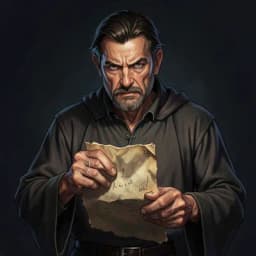
Meet the sample character
Truth is a jagged blade when the future demands blood.
Try a scene · No signup
The Weight of Broken Runes
A short sample of this world. Your own version starts with your character.
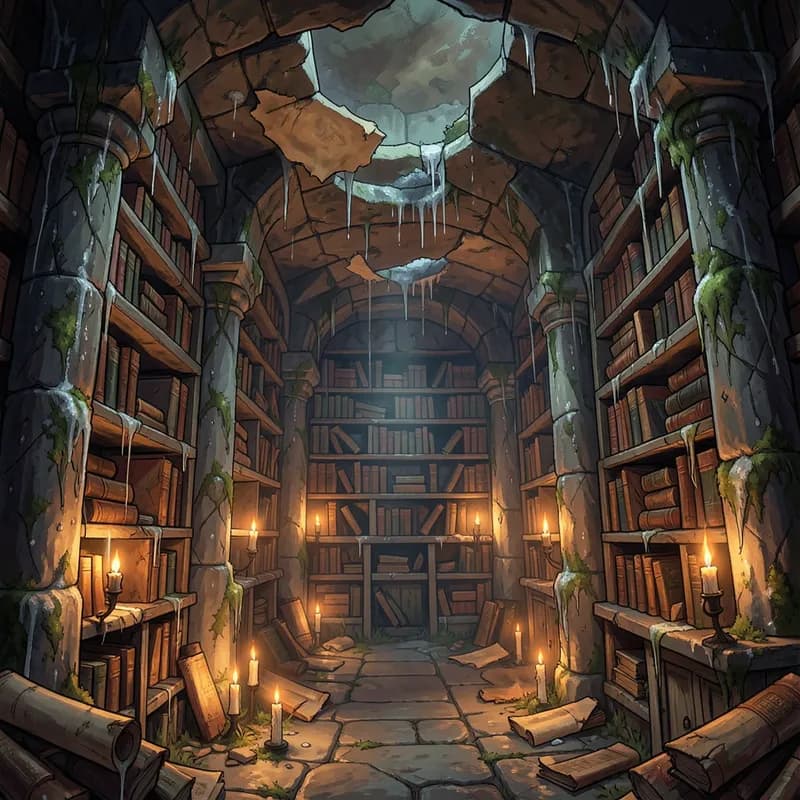
The parchment feels like cold iron against your palms. You stand in the damp silence of the Scriptorium, where the shelves groan under the weight of centuries of stolen history. The prophecy is etched in blood-runes that pulse with a sickening, rhythmic heat. You were tasked to seal these words, but the seals are already shattered, and the walls have begun to sweat salt.

“The words are hungry, Joram. If you do not offer the blood now, the kingdom will be the plate upon which they feast.”
Your heart hammers against your ribs, matching the erratic thrum of the runes. You look at the silver blade in your hand, its edge dull, waiting for a purpose that feels like a death sentence. You recall the hidden records you uncovered, those suggesting this entire cycle was a lie maintained by those who crave the influence that terror provides.
“I will not be the vessel for your madness, Vanya. There is another way, even if I have to burn this archive to ash to find it.”
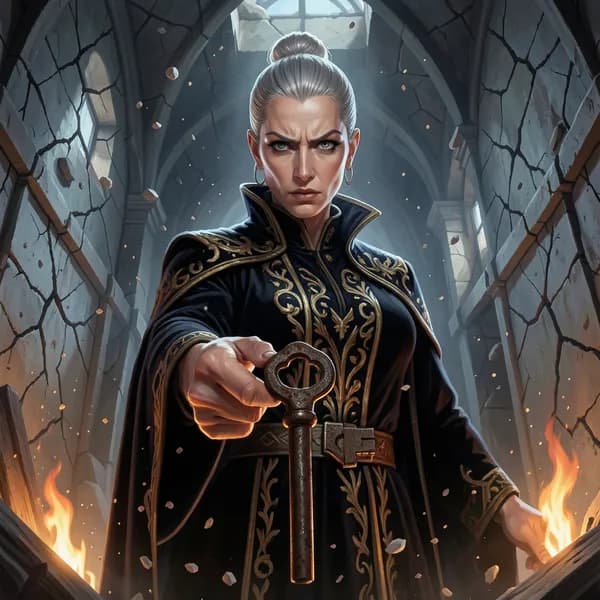
Vanya steps into the light, her eyes reflecting the dying embers of the torches. She holds a heavy iron key—the only thing that can lock the Scriptorium doors from the outside. The stone floor beneath you begins to buckle, and the first screams from the city above echo down the ventilation shafts. You have moments to act before the ceiling collapses, burying the truth forever.
The ceiling groans, showering you with powdered mortar. How will you silence the prophecy?
Your character. Your next move.
The ink is dry, but the ending is yours.
The Oracle has spoken, but the scrolls are incomplete. Will you be the hero the kingdom expects, or the rogue who burns the prophecy to ashes? Your decisions dictate whether the kingdom falls or finds a new dawn. Step into the sanctum and claim your agency.
Rewrite Your DestinyYour Story, Your Way
Everything is customizable. Pick any genre, setting, or character — the AI builds a world around exactly what you want.
Any Character
Design your appearance, personality, backstory — every detail
Any World
Fantasy kingdoms, sci-fi stations, modern cities — you choose
Branching Paths
No two playthroughs are the same. Your choices reshape everything
Full Immersion
AI images, voice acting, sound effects — a living story
Decide whether to embrace your fated role or actively sabotage the oracle's vision.
Decode cryptic messages hidden in ancient ruins to uncover the true, hidden meaning.
Manage the political fallout when allies believe you are the key to their salvation.
Choose which parts of the legend to uphold and which to rewrite with steel.
The ink on the parchment is centuries old, yet it describes your hands, your scar, and the betrayal you haven’t committed yet. High Priestess Vaelen stands before the altar, her eyes milk-white, chanting words that seal your fate to the ruin of the capital. You stand in the center of the sanctum, the weight of a thousand years pressing against your chest. This is an interactive story where every decision alters the path of the coming collapse. Do you accept the mantle of the savior, or do you burn the library to silence the voices that claim to know your future? The choice rests on the edge of your blade.
What is The Prophecy in Fantasy?
A prophecy acts as a narrative anchor, providing a sense of inevitability that drives characters to their limits. It is the promise of a cataclysmic event or a monumental shift in power that the protagonist is destined to trigger or prevent. In The Wheel of Time series by Robert Jordan, the Dragon Reborn is fated to either save the world or break it, creating a constant tension between duty and fear. This trope functions by establishing a rigid set of rules or conditions—a destiny—that the protagonist must navigate. Sometimes, the prophecy is a trap, leading characters to fulfill it precisely by trying to avoid it. Other times, it serves as a roadmap for glory. Whether viewed as divine instruction or a cruel joke, it forces the protagonist to confront the limits of their own agency.
Why play The Prophecy as an interactive story?
Playing through a prophecy requires you to treat information as a weapon. You are not just following a script; you are interrogating the very nature of your existence. You might find a cryptic shard of a tablet and realize the Great King mentioned isn't a ruler, but a tyrant you are currently serving. Tension arises when you must decide whether to trust the oracle or your own instincts. You will choose whether to lean into the legend to gain the loyalty of soldiers who believe in the myth, or discard the mantle entirely to forge an unpredictable path. You will face moments where the prophecy demands a sacrifice—will you pay the price, or will you find a loophole that costs you your reputation?
Famous examples of The Prophecy in books, film, and games
The prophecy trope endures because it touches on the universal fear of losing control. In The Elder Scrolls V: Skyrim, the player is the Dragonborn, fated to stop the return of Alduin. The game uses this to grant the player immense power, but the narrative constantly reminds you that your role is preordained, forcing a conflict between your character's personal desires and the needs of the province. Conversely, Oedipus Rex by Sophocles remains the gold standard for the self-fulfilling variant. In this tragedy, the protagonist’s desperate attempts to escape his fate are the very actions that bring it to pass. It is a cautionary tale about the arrogance of thinking one can outrun the gods. Finally, in Demon Slayer: Kimetsu no Yaiba, the prophecy of the Blue Spider Lily acts as a driving force for the antagonist, Muzan Kibutsuji, whose obsession with overcoming his mortal limitations creates the entire conflict of the series. These examples show that the prophecy is rarely about the future; it is about how the present reacts to the shadow of what is to come.
FAQ
What is the difference between a prophecy and a trap?
A prophecy is a prediction, while a trap is a deliberate sequence of events designed to lead you to a specific outcome. In many stories, the prophecy is used as a tool by powerful figures to manipulate the protagonist into fulfilling a hidden agenda.
How can I change the ending if the prophecy says I fail?
You must identify the conditions of the prophecy. If the oracle foretells a defeat, look for the variables that lead to it. Changing your allies, the timing of your arrival, or the equipment you carry can create unexpected outcomes that the original prophecy did not account for.
Does every prophecy in these games come true?
Not necessarily. Prophecies are often interpreted by flawed humans. You may find that the prophecy is based on a misunderstanding of history or a deliberate lie told by those who want to control the flow of power.
What if I ignore the prophecy entirely?
Ignoring the prophecy is a valid choice. However, the world will react to your inaction. If you abandon a fated role, other factions may try to fill the void, potentially creating a new, more dangerous set of circumstances for your character.
Explore more Fantasy stories like The Chosen One, Found Family, Hidden Heir.
More Fantasy Stories
The Chosen One
A prophecy names you as the one who will save or doom the world. But destiny is not fixed in this AI-driven story where your choices define what being chosen truly means.
TropeFound Family
Blood means nothing compared to the bonds you forge on the road. Assemble a band of misfits and build unbreakable loyalty through shared trials.
TropeHidden Heir
A secret bloodline, a stolen throne, and a truth that changes everything. Discover your royal heritage and decide whether to claim your birthright or reject it.
TropeDark Lord Rising
An ancient evil stirs and the world trembles. Stand against the darkness or consider its seductive offer of power in this epic fantasy interactive story.
TropeFae Bargain
The fae never lie, but their truths are sharper than any blade. Strike a deal with ancient, cunning beings and navigate consequences that twist every wish.
TropeMagical Academy
Enroll in a school of sorcery where every lesson could be your last. Master arcane arts, uncover ancient secrets, and forge alliances that shape the magical world.