Fantasy · Interactive story
Crown, Steel, and the Weight of Command
The throne is cold, the borders are burning, and your word is the final law.
Start as a guest. Choose your character before the story begins.
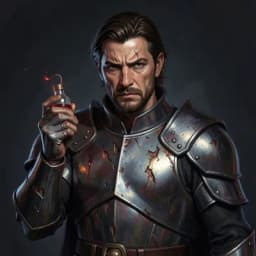
Meet the sample character
The crown is heavy, but the blood on your hands is heavier.
Try a scene · No signup
Iron and Ash
A short sample of this world. Your own version starts with your character.
The air in the Great Hall smells of wet stone and copper. You stand over the fallen King, your fingers curled around the hilt of a dagger that is not yours. The hearth-fire gutters, casting long, frantic shadows against the stone walls as the heavy oak doors groan under the weight of the encroaching guards.
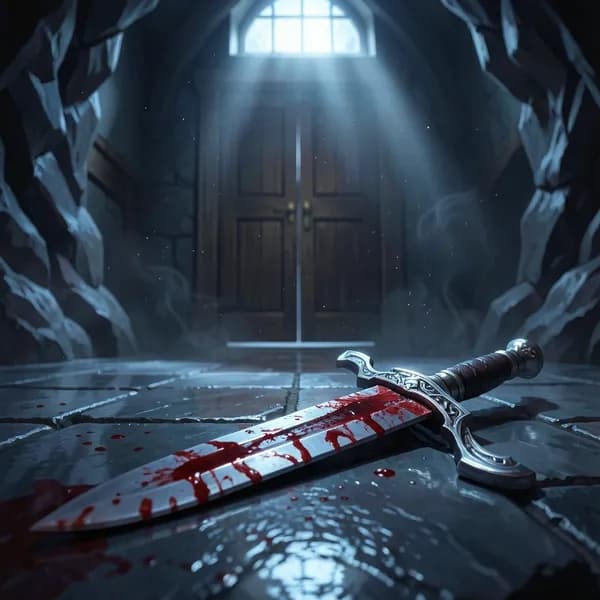
“Drop the blade, Osric, or the truth dies with the man you have murdered.”
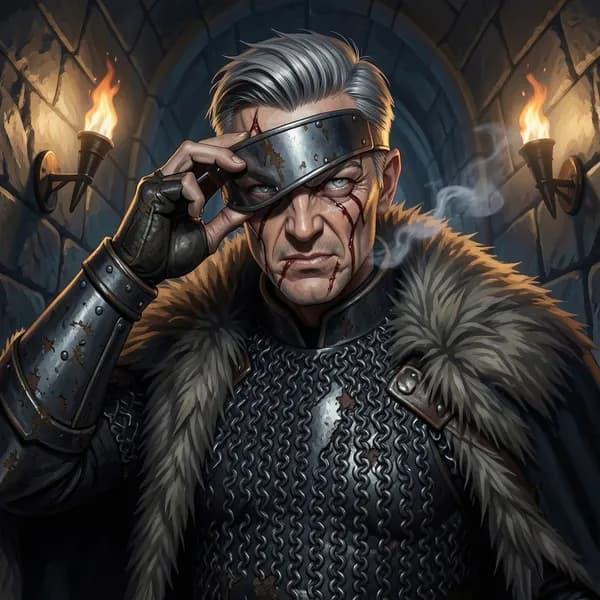
You look down at the King’s cooling corpse, his eyes fixed on the ceiling in perpetual surprise. Your own knuckles are white, the steel slick with warmth that should not be there. Outside, the castle bells toll a rhythm that signals a coup, and the guards are already halfway across the hall, their armor clattering with lethal intent.
“I did not kill him, Eadwyn, but I am the only one standing here with the proof of who did.”
The lead guard stops, his visor lifted to reveal a face carved from malice and old grudges. He draws his sword, the metal rasping like a death knell. You have seconds to act before the weight of the kingdom crushes you, and the true assassin walks free into the night.
The guards are closing in with steel drawn. How do you survive the next ten seconds?
Your character. Your next move.
Will you secure the throne or watch it burn?
The crown is heavy, and the council is whispering of your incompetence. You have until dawn to decide whether to bribe the royal guard or flee into the dark forests of the north. Every moment you waste is another step toward the headsman’s block. Step into the role and determine the future of the kingdom.
Ascend the throneYour Story, Your Way
Everything is customizable. Pick any genre, setting, or character — the AI builds a world around exactly what you want.
Any Character
Design your appearance, personality, backstory — every detail
Any World
Fantasy kingdoms, sci-fi stations, modern cities — you choose
Branching Paths
No two playthroughs are the same. Your choices reshape everything
Full Immersion
AI images, voice acting, sound effects — a living story
Negotiate tense trade treaties with rival lords while managing a looming border conflict.
Choose whether to uphold your knightly oath or betray your liege for survival.
Investigate whispers of dark magic infecting the royal court before it consumes everything.
Command infantry on the battlefield, where a single tactical error loses the war.
Mud cakes your boots as you kneel before the high dais. Above, the king’s voice is a dry rasp, demanding an answer to a treasonous accusation you did not commit. The executioner’s shadow stretches across the stone floor, his axe resting heavily against his shoulder. You have seconds to choose: offer a desperate plea, draw your blade in a foolish final stand, or whisper a secret that could shatter the dynasty. Every choice you make ripples through the castle walls, shifting the balance of power between warring houses and hungry gods. This is an interactive story where your intuition, honor, and ruthlessness determine the fate of the realm.
What is Medieval Kingdom in Fantasy?
A medieval kingdom setting draws from the archetype of the high-stakes feudal state. It is defined by rigid hierarchies, the looming threat of siege warfare, and the quiet, deadly dance of court politics. Think of the sprawling, treacherous landscape in George R.R. Martin’s A Song of Ice and Fire or the grounded, gritty historical fantasy found in the Kingdom Come: Deliverance game. These worlds rely on the tension between duty and desire. Magic is rarely a flashy convenience; it is an ancient, dangerous force that often requires sacrifice or carries heavy consequences for those who wield it. Whether you are navigating the halls of a stone fortress or leading a charge across a rain-slicked battlefield, the environment is a character itself. The smell of woodsmoke, the clatter of chainmail, and the chilling silence of a midnight council meeting create a backdrop where survival is never guaranteed. This setting is about the crushing weight of responsibility when the fate of a nation sits on your shoulders.
Why play Medieval Kingdom as an interactive story?
Playing in a medieval kingdom requires more than just martial prowess; it demands a sharp mind and a willingness to get your hands dirty. You will face moments that test your moral compass—deciding whether to execute a captured spy who holds the key to a rival’s weakness or negotiating a marriage alliance with a house known for its cruelty. Agency here means that your refusal to follow a knightly code can lead to your exile, while staying true to your values might leave your defenses vulnerable. You might choose to fund a crusade, suppress a peasant revolt, or investigate a supernatural blight creeping into the castle wells. Each decision alters the political map, shifts the loyalty of your bannermen, and changes how the common folk perceive your rule. The tension comes from knowing that your actions have permanent, sometimes brutal, consequences. You are writing the chronicles in blood and ink.
What makes Medieval Kingdom work: the worldbuilding
The strength of a medieval kingdom setting lies in its constraints. Unlike high-concept fantasy that allows for instant solutions, this genre thrives on scarcity, distance, and the slow grind of institutional power. Works like The Pillars of the Earth by Ken Follett or the Dragon Age series succeed because they treat the world as a machine—if you break a gear, the whole system grinds to a halt. When building these narratives, authors look for the point of friction between the individual and the state. A knight, for instance, is not just a warrior; they are a representative of a specific land, burdened by the expectations of their lineage. The sensory details—the damp chill of a dungeon, the taste of stale ale in a crowded tavern, the visual of a dragon-crested banner snapping in a cold wind—anchor the player in a physical reality. The conflict usually stems from the clash between old-world traditions and the encroaching chaos of war or famine. Characters should be defined by their loyalties: to family, to faith, to gold, or to the crown. By keeping the stakes grounded in territory and reputation, the narrative gains a gravity that makes every victory feel earned and every loss feel catastrophic.
FAQ
What makes a medieval kingdom story different from general fantasy?
It emphasizes political reality, logistics, and social hierarchy over purely magical solutions. The stakes are often tied to territory and reputation rather than saving the entire universe.
Can I play as a low-born character?
Yes. You can start as a peasant, mercenary, or squire and rise to a position of power through your choices, or you can begin as a noble navigating the dangers of the court.
How does magic fit into this setting?
Magic is typically mysterious and dangerous. It is often treated as an ancient, volatile force that acts as a catalyst for crisis rather than a convenient tool for everyday life.
Are the consequences of my choices permanent?
Yes. Your decisions influence the political landscape, the loyalty of your bannermen, and the survival of key characters, creating a branching path that reflects your unique leadership style.
Explore more Fantasy stories like The Chosen One, Found Family, Hidden Heir.
More Fantasy Stories
The Chosen One
A prophecy names you as the one who will save or doom the world. But destiny is not fixed in this AI-driven story where your choices define what being chosen truly means.
TropeFound Family
Blood means nothing compared to the bonds you forge on the road. Assemble a band of misfits and build unbreakable loyalty through shared trials.
TropeHidden Heir
A secret bloodline, a stolen throne, and a truth that changes everything. Discover your royal heritage and decide whether to claim your birthright or reject it.
TropeDark Lord Rising
An ancient evil stirs and the world trembles. Stand against the darkness or consider its seductive offer of power in this epic fantasy interactive story.
TropeFae Bargain
The fae never lie, but their truths are sharper than any blade. Strike a deal with ancient, cunning beings and navigate consequences that twist every wish.
TropeMagical Academy
Enroll in a school of sorcery where every lesson could be your last. Master arcane arts, uncover ancient secrets, and forge alliances that shape the magical world.